
U.S. Carrier Signals Support for Philippines Against China
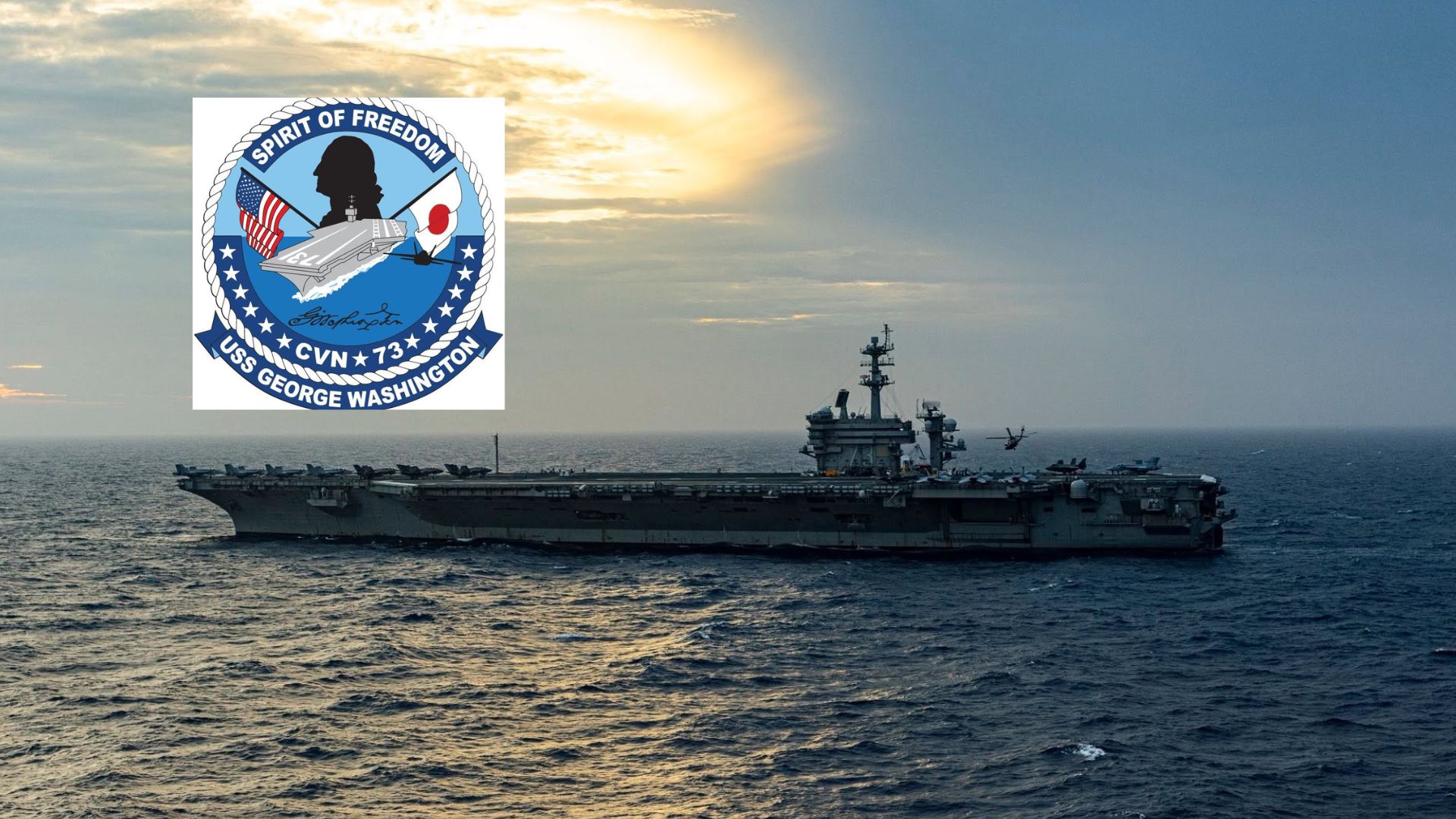
A U.S. supercarrier has sailed into the most contested waters in Asia to stand behind a treaty ally. On July 22, the nuclear-powered USS George Washington and its strike group crossed from the Philippine Sea into the South China Sea, days after Chinese and Philippine ships clashed at two contested reefs. The message was not left to chance. “The USS George Washington Carrier Strike Group’s advanced capabilities, including the F-35, are upholding freedom of navigation and overflight in the South China Sea,” U.S. Ambassador Lee Lipton wrote. “We challenge excessive maritime claims around the world.”
A Carrier Sent After Two Clashes at Sea
The arrival followed a violent month. On July 20, China Coast Guard crew in an inflatable boat approached a Philippine Navy vessel at Second Thomas Shoal and struck a sailor with a wooden baton. The blow injured the service member and forced a medical evacuation.
Four days later, near Scarborough Shoal, the China Coast Guard turned water cannons on Philippine coast guard and fisheries boats. The United States condemned China’s conduct as a threat to regional stability.
The George Washington had just finished the Valiant Shield exercise with Japanese warships in the Philippine Sea. Its move west placed a nuclear-powered carrier at the center of the dispute within days of the worst clash yet between the two sides. Washington wanted the timing understood. The carrier’s job, in Lipton’s framing, was to keep the sea lanes open and to challenge Beijing’s sweeping claims.
Steel to Back the Words
The carrier did not arrive alone. From July 21 to 25, Philippine, Japanese and U.S. forces held their 17th Multilateral Maritime Cooperative Activity inside the Philippine exclusive economic zone. A Japanese destroyer, a Philippine frigate and coast guard ship, and the U.S. littoral combat ship USS Santa Barbara trained together. The U.S. Navy said the drills followed international law.
Secretary of State Marco Rubio, in Manila for a regional meeting, tied the hardware to the treaty. “We’re already here, we’re already present, we have a role, and we’re not going to abandon our allies,” he told reporters on July 23. The Mutual Defense Treaty binds the two countries to respond to an armed attack on either side’s forces, public vessels or aircraft in the Pacific. A carrier in the South China Sea is the most visible way to make that promise look real.
The Limits of a Show of Force
A carrier can shape a war. It does little against a campaign built to avoid war. China has learned to work that gap, and the past week showed it again.
On July 26, the People’s Liberation Army Southern Theater Command said its ships and aircraft had run a “routine patrol in the South China Sea.” Its spokesman accused Manila of drawing in “countries outside the region to conduct so-called joint patrols, disrupting peace and stability.” Beijing casts the United States and Japan as the outsiders and the Philippines as the party that invited them.
The behavior did not shift. The water cannons near Scarborough fired on July 24, while the carrier sat in the same sea and the drills were under way. China pressed its claims with coast guard and militia ships rather than warships, and stayed below the line that would trigger the treaty. The George Washington could deter a naval war. It could not stop a hose.
A Quieter Signal Beneath the Flight Deck
The carrier was the loud instrument. A smaller one may matter more. By Rubio’s account, a U.S. Coast Guard vessel stood between the Chinese and Philippine ships during the July 20 melee and made the medical evacuation possible. The move put an American crew at the point of contact, close enough to intervene.
The Coast Guard has also moved closer. In mid-July it shifted its Expeditionary Cutter Squadron into the Western Pacific. The unit was long known as Patrol Forces Southwest Asia and had worked from Bahrain for more than 20 years. The service said the move answered “national security requirements.” White hulls let Washington match Beijing’s chosen tool without the weight a warship carries. The Iran war, often seen as pulling U.S. forces away from Asia, sent these ships toward it.
A Bill Attached to the Backing
The carrier’s presence carried a caveat. Even while pledging support, Rubio urged allies such as the Philippines and Japan to spend more on their own defense. American help now comes with a demand for greater local effort.
The George Washington’s arrival was a clear statement of intent. Its effect is harder to judge. China called the drills a provocation and patrolled regardless, and its coast guard kept up the pressure at Scarborough. If that pattern holds, the carrier’s value may prove more symbolic than deterrent. The open question is whether repeated deployments, backed by cutters at the flashpoints, change Beijing’s calculations, or whether the carrier becomes a more familiar presence.
